Everything you need to know before traveling to Egypt—from visas and safety to local customs, transportation, and expert travel advice.
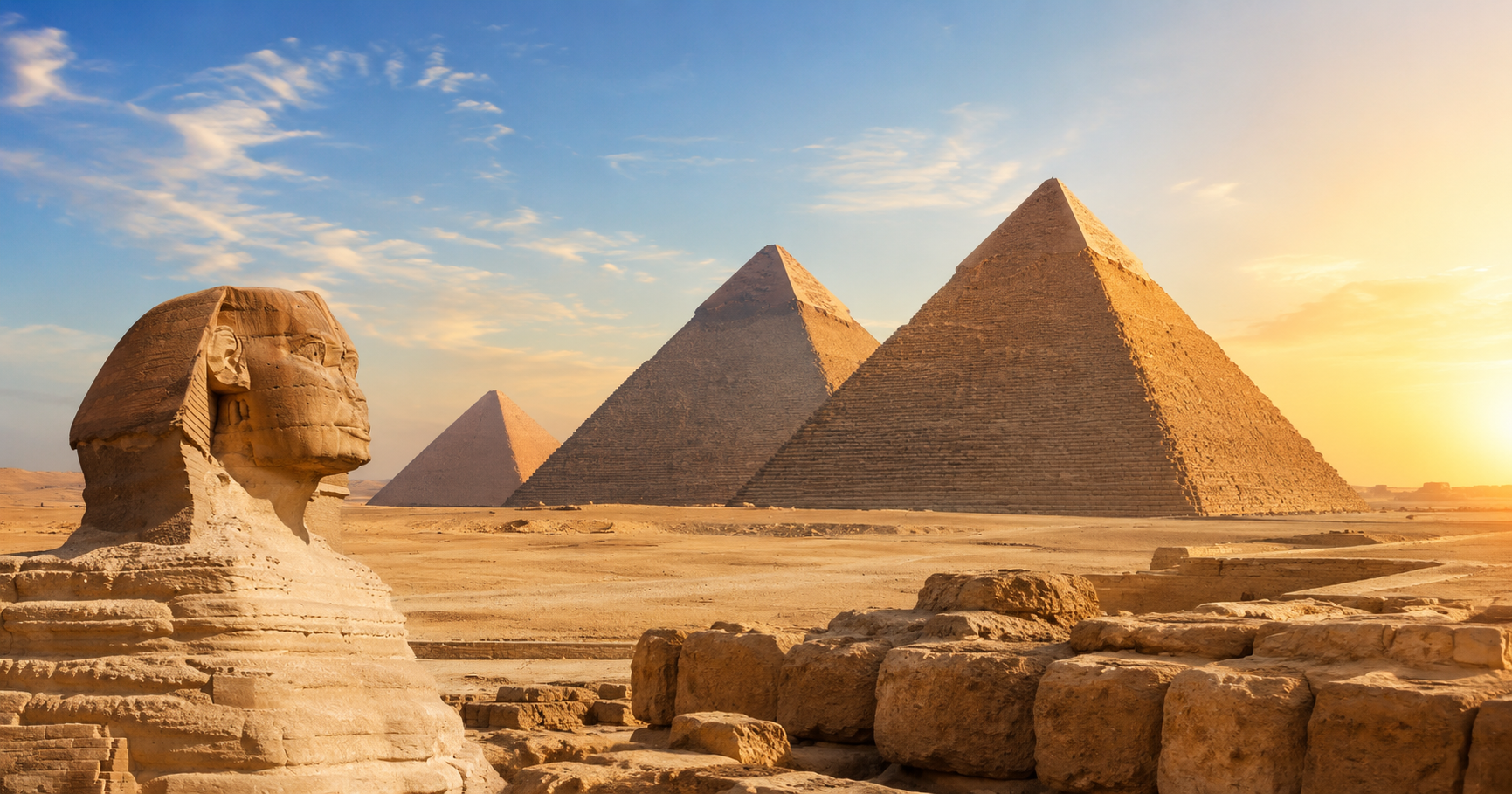
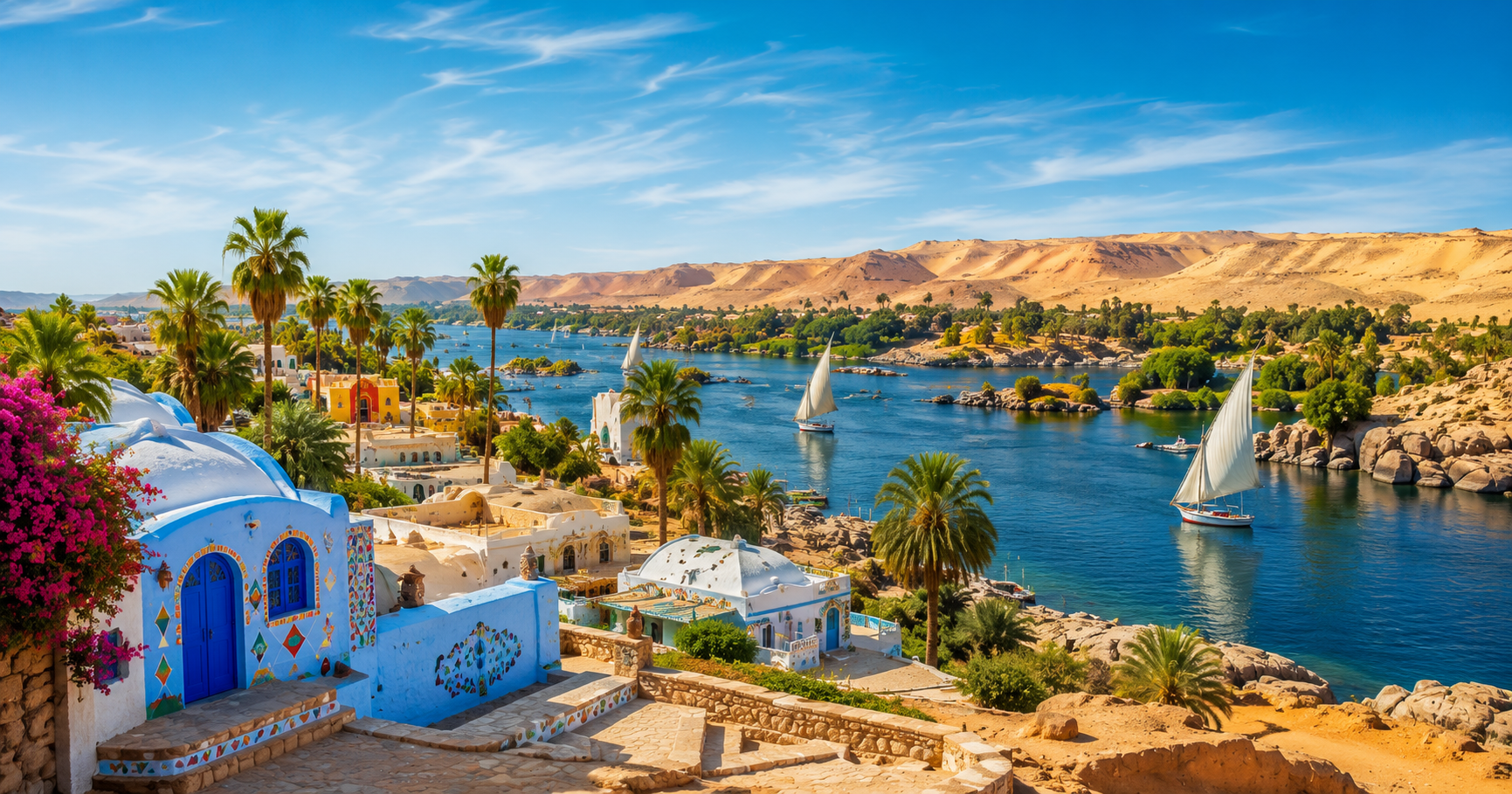
Your first glimpse of Egypt may be the Pyramids rising above the Giza Plateau, the Nile glowing beneath the evening sun, or the carved columns of an ancient temple in Luxor.
But before those unforgettable moments, there are practical questions to answer. Do you need a visa? How much cash should you carry? What should you wear? Is a Nile Cruise worth adding to your itinerary? And how many days do you really need?
Egypt is an exciting and rewarding destination, but thoughtful preparation can make your journey far more comfortable. These 25 Egypt travel tips cover the essential things every first-time visitor should know, from planning an efficient itinerary to understanding local customs and choosing reliable transportation.
For a broader overview of destinations, weather, transportation, and itinerary planning, start with our complete Egypt Travel Guide 2026.
Egypt Travel Tips at a Glance
| Travel consideration | Practical recommendation |
|---|---|
| Best time to visit | October to April for milder sightseeing weather |
| Recommended trip length | 7–10 days for Cairo, Luxor, Aswan, and the Nile |
| Currency | Egyptian pound, with small notes for daily expenses |
| Clothing | Lightweight, breathable, and reasonably modest |
| Transportation | Private transfers and domestic flights for limited itineraries |
| Essential items | Passport copies, sunscreen, comfortable shoes, and bottled water |
| Ideal first route | Cairo, Luxor, Nile Cruise, and Aswan |
| Booking advice | Reserve popular cruises, guides, and hotels in advance |
1. Check Egypt’s Visa Requirements Before Booking
Visa eligibility depends on your nationality, passport type, and intended length of stay. Some travelers may qualify for an Egypt eVisa or visa on arrival, while others must apply through an Egyptian embassy or consulate before departure.
Do not rely solely on another traveler’s experience, as entry rules may differ by nationality. Confirm that your passport meets the required validity period and check the latest conditions before booking non-refundable arrangements.
Our detailed Egypt Visa Requirements 2026 guide explains the eVisa, visa-on-arrival process, passport requirements, and common entry mistakes.
2. Choose the Right Time to Visit Egypt
Egypt is open to travelers throughout the year, but the season affects temperatures, crowds, availability, and prices.
October through April generally offers more comfortable conditions for exploring Cairo, Luxor, and Aswan. December and January are popular, so hotels, guides, and Nile Cruises may fill more quickly.
Summer can provide fewer crowds and attractive travel offers, but daytime temperatures in southern Egypt can be intense. Red Sea destinations may be more manageable because of coastal conditions and resort facilities.
Compare the seasons in our month-by-month guide to the best time to visit Egypt.
3. Give Yourself Enough Time
Trying to fit Cairo, Luxor, Aswan, Abu Simbel, and the Red Sea into five days can leave you spending more time in transit than at the attractions.
A practical first-time plan might look like this:
- Five days: Cairo, Giza, and nearby archaeological sites.
- Seven days: Cairo, Luxor, Aswan, and selected Nile Cruise experiences.
- Ten days: Add Abu Simbel, Alexandria, or a Red Sea stay.
- Fourteen days: Explore the main destinations at a more relaxed pace.
Our guide on how many days you need in Egypt includes sample itineraries for different trip lengths.
4. Build Your Route Before Reserving Hotels
Egypt is larger than it may appear on a map, and its major attractions are spread across several regions.
Choose your route first, then reserve accommodation and transportation around it. A classic itinerary for a first visit is:
Cairo → Luxor → Nile Cruise → Aswan
You can then add Abu Simbel, Hurghada, Alexandria, or a desert experience according to your available time.
Travelers who prefer to avoid coordinating every element separately can explore VIPXPLOR’s complete Egypt tour packages.
5. Arrange Your Airport Transfer in Advance
After an international flight, negotiating with drivers or comparing transportation options at the airport can be tiring.
A pre-arranged transfer provides a known pickup plan, an agreed route, and direct transportation to your accommodation. It is particularly helpful for late arrivals, families, groups, and first-time visitors who are unfamiliar with Cairo.
You can request airport transportation or a personalized itinerary through the VIPXPLOR contact page.
6. Carry Egyptian Pounds and Small Notes
Cards are accepted in many hotels, larger restaurants, and established tourism businesses, but cash remains useful for markets, small cafés, local shops, tipping, and minor purchases.
Carry Egyptian pounds in several denominations rather than relying on large notes. It is also sensible to keep your daily spending money separate from your passport and main bank cards.
ATMs are available in major destinations, but travelers should still inform their bank before departure and carry a backup payment method.
7. Understand Tipping Culture
Tipping, often referred to as “baksheesh,” is common in Egypt’s tourism and service sectors.
You may choose to tip guides, drivers, cruise staff, hotel employees, porters, and other people who provide helpful service. The appropriate amount varies according to the service, group size, and duration.
Keeping small Egyptian-pound notes available makes the process easier. When joining an organized tour, ask whether any service charges or gratuities are already included.
8. Pack for Heat, Sun, and Air Conditioning
Egypt’s outdoor climate can be hot and dry, while hotels, vehicles, restaurants, and museums may be strongly air-conditioned.
Pack lightweight layers rather than relying only on summer clothing. Useful items include:
- Breathable cotton or linen garments.
- A light jacket or cardigan.
- Sunglasses and a sun hat.
- High-protection sunscreen.
- A scarf or shawl.
- A reusable water bottle.
- Lip balm and moisturizer.
9. Wear Supportive Walking Shoes
A day at the Giza Plateau, Karnak Temple, the Valley of the Kings, or Saqqara can involve more walking than expected.
Paths may be sandy, rocky, dusty, or uneven. Supportive trainers or comfortable walking shoes are usually more practical than thin sandals. Bring a second pair for hotel evenings, cruise decks, or beach destinations.
10. Dress Comfortably and Respectfully
International visitors have considerable flexibility in what they wear, particularly at hotels, archaeological sites, and Red Sea resorts. However, modest clothing is appreciated in traditional neighborhoods and required at many religious sites.
Loose clothing that covers the shoulders and knees is comfortable, practical, and culturally appropriate. Women are not expected to cover their hair during ordinary sightseeing, but carrying a scarf is useful when entering a mosque.
See our complete guide to what to wear in Egypt for seasonal and destination-specific packing advice.
11. Start Major Sightseeing Days Early
Early starts offer several advantages: cooler temperatures, softer photography light, and more time to explore before larger groups arrive.
This is especially useful at:
- The Pyramids of Giza.
- Abu Simbel.
- Karnak Temple.
- The Valley of the Kings.
- Popular Cairo museums.
- Major temples along the Nile.
Confirm opening hours and ticket procedures shortly before your visit, as operating arrangements can change.
12. Use a Qualified Egyptologist Guide
Egypt’s monuments become far more meaningful when you understand their historical context.
A qualified Egyptologist can explain the symbolism, architecture, dynasties, religious beliefs, and political changes behind each site. Guides also help visitors navigate large complexes and prioritize the most important features when time is limited.
Private guiding is particularly valuable in Cairo, Luxor, Saqqara, Aswan, and Abu Simbel.
13. Do Not Rush Through Cairo
Cairo is often treated as a brief stop before Luxor, but the city deserves at least two or three days.
A well-planned Cairo visit may include:
- The Pyramids of Giza and the Sphinx.
- Saqqara and Dahshur.
- Major Egyptian museum collections.
- Coptic Cairo.
- Islamic Cairo.
- The Citadel.
- Khan El Khalili.
- A Nile dinner or felucca experience.
Browse the available Cairo tours and packages before deciding how many nights to allocate.
14. Add Saqqara and Dahshur to Your Cairo Stay
The Pyramids of Giza are essential, but they represent only part of Egypt’s pyramid-building story.
Saqqara contains the Step Pyramid of Djoser, while Dahshur is known for significant early pyramid experiments. Visiting these areas provides a clearer understanding of how Egyptian pyramid architecture developed.
VIPXPLOR offers a private day tour to Saqqara, Dahshur, and Memphis for travelers who want to explore beyond Giza.
15. Allow More Than One Day for Luxor
Luxor contains an extraordinary concentration of ancient sites divided between the East and West Banks of the Nile.
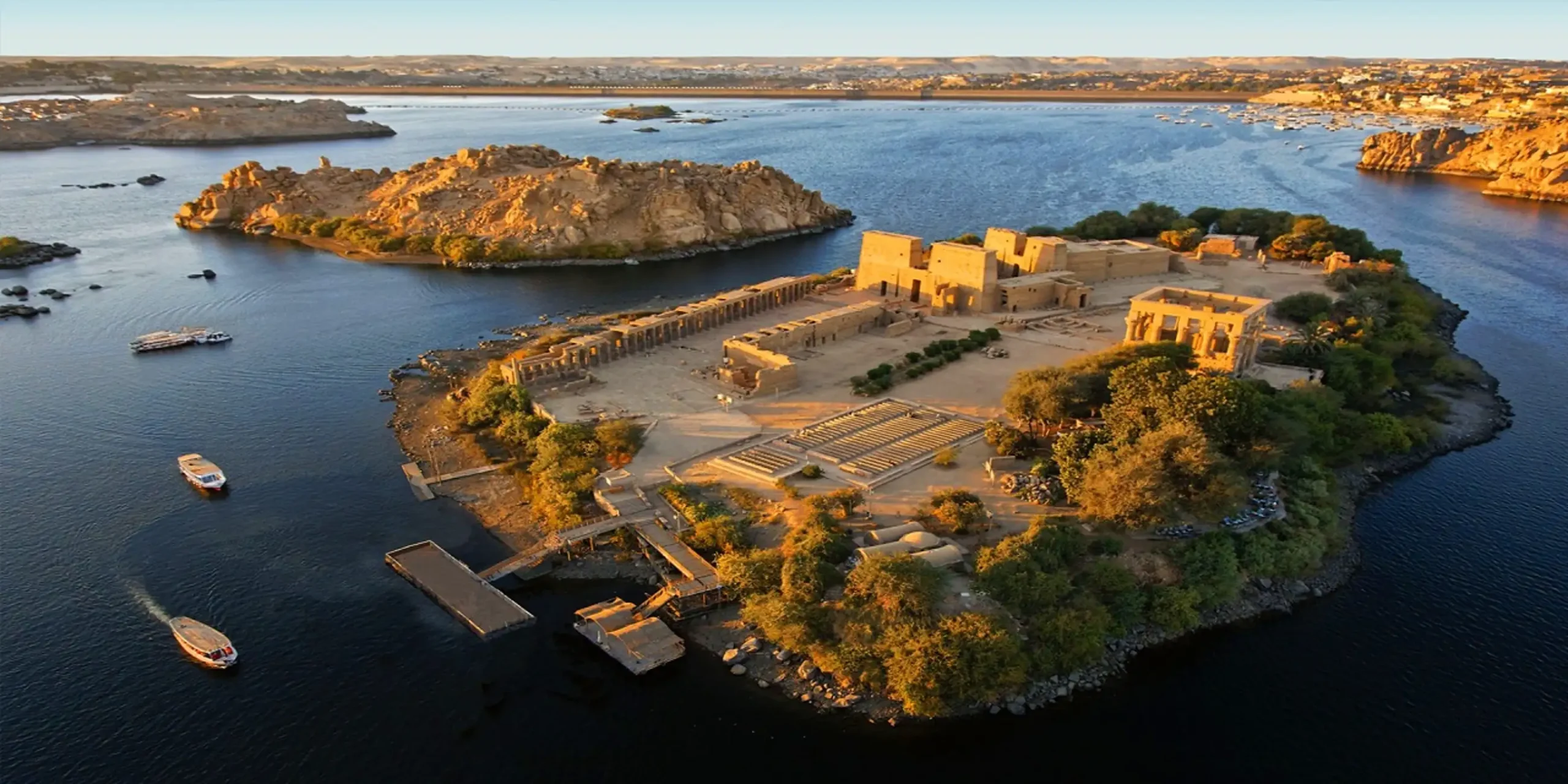
The East Bank includes Karnak and Luxor temples. The West Bank includes the Valley of the Kings, the Temple of Hatshepsut, Medinet Habu, tombs, and other archaeological locations.
One rushed day rarely does the destination justice. Browse the available Luxor tours, packages, and Nile Cruises to plan a balanced stay.
16. Consider Taking a Nile Cruise
A Nile Cruise combines transportation, accommodation, meals, and sightseeing while connecting many of Upper Egypt’s most important sites.
Typical itineraries between Luxor and Aswan may include Edfu and Kom Ombo, alongside guided visits in both cities. Instead of repeatedly changing hotels and arranging long road journeys, travelers can enjoy the scenery while moving between destinations.
VIPXPLOR’s Ultimate Egypt Highlights: Cairo, Luxor, Aswan and 5-Star Nile Cruise combines major historical sites with a four-night Nile Cruise.
17. Check Exactly What Your Tour Price Includes
A low headline price may not represent the total cost of the trip.
Before confirming a tour, ask whether the price includes:
- Entrance tickets.
- Airport transfers.
- Domestic transportation.
- Meals and drinks.
- Guide services.
- Cruise excursions.
- Hotel taxes.
- Optional activities.
- Gratuities.
Comparing inclusions rather than only the advertised price will give you a more realistic picture of value.
For broader budgeting guidance, read How Much Does a Trip to Egypt Cost in 2026?.
18. Use Domestic Flights When Time Is Limited
Domestic flights can significantly reduce travel time between Cairo, Luxor, Aswan, Hurghada, and Sharm El Sheikh.
Trains and road transfers may work well for some itineraries, but they can consume valuable vacation time. Flying is often worthwhile when you have only one week or are combining several distant destinations.
Allow sufficient time between separate flight bookings and keep essential medication and documents in your hand luggage.
19. Stay Hydrated and Protect Yourself from the Sun
Drink bottled or properly filtered water regularly, even when you do not feel thirsty.
During long sightseeing days, carry water, take breaks in shaded areas, and avoid unnecessary exposure during the hottest part of the afternoon. A hat, sunglasses, breathable clothing, and sunscreen are essential throughout much of the year.
Travelers with health conditions should discuss heat, medication, and travel insurance with an appropriate medical professional before departure.
20. Keep Digital and Paper Copies of Important Documents
Store copies of your:
- Passport.
- Visa or entry approval.
- Travel insurance.
- Flight reservations.
- Hotel confirmations.
- Tour vouchers.
- Emergency contacts.
- Prescription information.
Keep one set online and another separate from the original documents. Do not place every bank card, identity document, and source of cash in the same bag.
21. Learn a Few Arabic Expressions
English is widely used in established tourist areas, but a few Arabic words can make everyday interactions warmer.
Useful expressions include:
- Salam Alaikum: A common greeting.
- Shukran: Thank you.
- Min fadlak/min fadlik: Please.
- La, shukran: No, thank you.
- Aywa: Yes.
- La: No.
You do not need perfect pronunciation. The effort itself is usually appreciated.
22. Ask Before Photographing People
Egypt offers exceptional photography opportunities, but respect remains important.
Ask permission before taking close photographs of local people, employees, craftspeople, or market vendors. Some archaeological sites, tombs, and museums may have specific photography restrictions or require a separate ticket.
Avoid using flashes where prohibited and follow instructions designed to protect sensitive interiors and artifacts.
23. Bargain Politely in Traditional Markets
Negotiation is normal in many markets and souvenir shops, but it should remain friendly.
Ask the price, make a reasonable counteroffer, and decide how much the item is genuinely worth to you. If you cannot agree, thank the seller and walk away politely.
Do not feel pressured to buy simply because a vendor has spent time showing you an item.
24. Leave Space for Local Experiences
Egypt is more than a list of monuments.
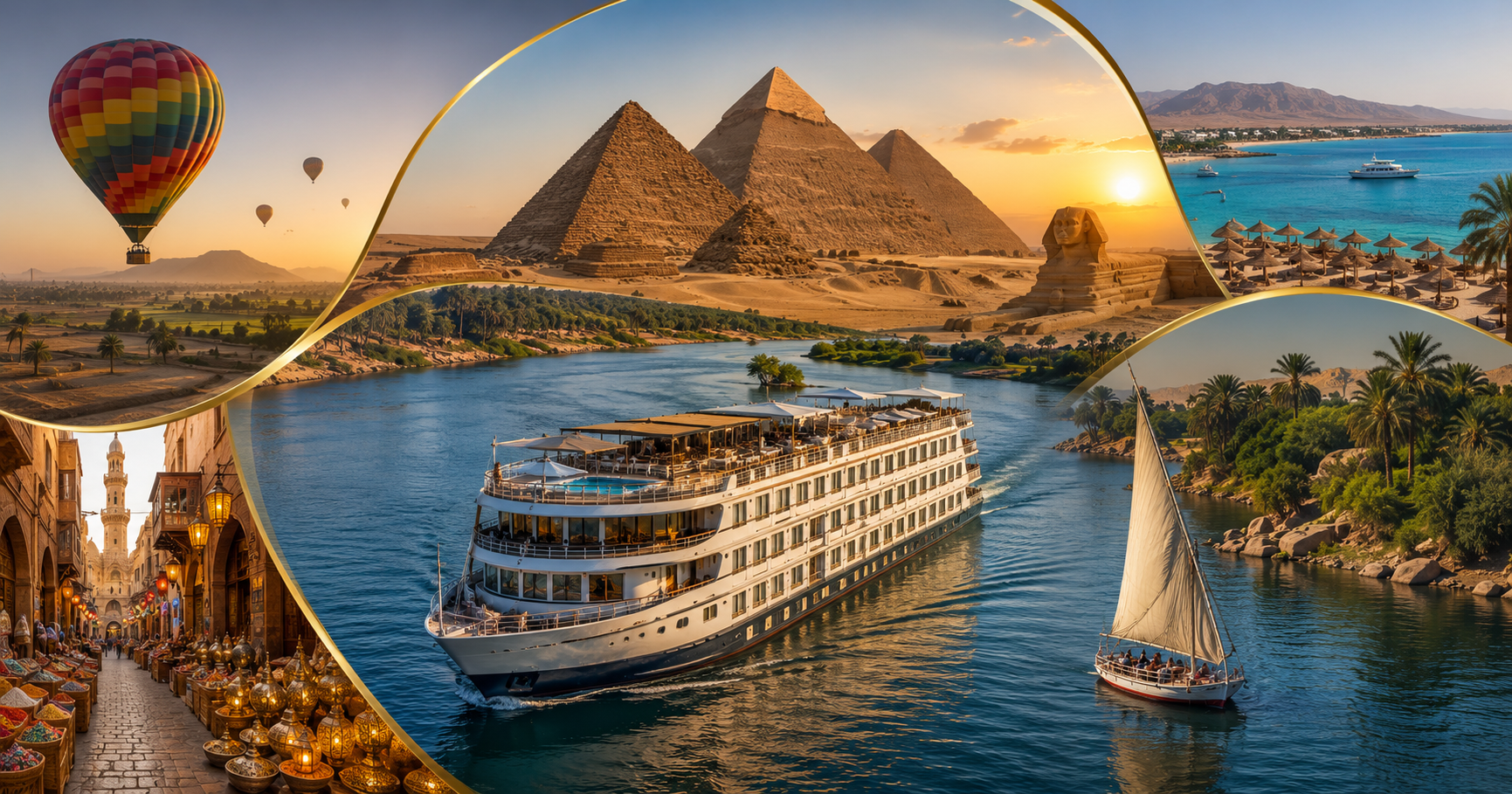
Some of the most memorable moments may come from sailing on a felucca, trying Egyptian food, watching the Nile at sunset, visiting a Nubian community, or exploring a traditional market with a local guide.
VIPXPLOR’s activities page includes experiences such as hot-air balloon flights, felucca rides, Red Sea trips, desert adventures, cultural shows, and Nile activities.
25. Book with a Reliable Local Travel Company
Independent travel is possible, but coordinating accommodation, transfers, guides, domestic flights, Nile Cruises, entrance arrangements, and several destinations can become complicated.
A knowledgeable local company can organize the journey around your available time, interests, group size, comfort level, and budget. It can also reduce the number of separate suppliers you need to manage.
VIPXPLOR offers private tours, multi-day packages, Nile Cruise programs, destination experiences, and customized travel planning throughout Egypt.
Why Plan Your Egypt Trip with VIPXPLOR?
At VIPXPLOR, we create carefully organized Egypt journeys for solo travelers, couples, families, and private groups.
Your itinerary can combine the Pyramids of Giza, Cairo’s historic neighborhoods, the temples and tombs of Luxor, the tranquil landscapes of Aswan, a 5-star Nile Cruise, Abu Simbel, desert adventures, and Red Sea relaxation.
Depending on your travel style, VIPXPLOR can assist with:
- Private airport transfers.
- Comfortable air-conditioned transportation.
- Qualified Egyptologist guides.
- Cairo, Luxor, and Aswan sightseeing.
- Nile Cruise arrangements.
- Red Sea activities.
- Multi-day itineraries.
- Family and private-group travel.
- Customized Egypt vacation packages.
Explore the complete range of VIPXPLOR Egypt packages or contact our travel specialists to request a journey designed around your dates and interests.
Frequently Asked Questions About Visiting Egypt
Is Egypt suitable for first-time international travelers?
Egypt has a well-established tourism industry in destinations such as Cairo, Giza, Luxor, Aswan, Hurghada, and Sharm El Sheikh. First-time visitors should use reputable transportation, protect their belongings, follow local guidance, and review current official travel advice before departure.
Read our practical guide: Is Egypt Safe to Travel to in 2026?
How many days are enough for a first trip to Egypt?
Seven to ten days provide a useful starting point. A seven-day trip can cover Cairo, Luxor, Aswan, and a selected Nile itinerary, while ten days allow time for Abu Simbel, Alexandria, the Red Sea, or a more relaxed pace.
What is the best month to visit Egypt?
There is no single best month for every traveler. October, November, February, March, and April often provide a balance of pleasant sightseeing weather and manageable visitor numbers. December and January are popular, while summer may suit travelers prioritizing lower demand or Red Sea stays.
Can I use US dollars or euros in Egypt?
Foreign currency may be accepted by some tourism businesses, but Egyptian pounds are more practical for small purchases, cafés, markets, taxis, and tipping. Use official exchange services or bank facilities and keep small local notes available.
What should women wear in Egypt?
Women can wear ordinary travel clothing, but lightweight garments that cover the shoulders and knees are practical in cities, local neighborhoods, and religious sites. Resort clothing can be more relaxed. A light scarf is useful for mosque visits and sun protection.
Is a Nile Cruise worth adding to an Egypt itinerary?
For many first-time visitors, yes. A Nile Cruise provides a convenient way to travel between Luxor and Aswan while visiting important temples and enjoying the landscapes of Upper Egypt. Always compare the vessel category, itinerary, cabin type, meals, and included excursions before booking.
Should I book Egypt tours before arriving?
Booking important components in advance is recommended during popular travel periods, particularly Nile Cruises, specialist guides, domestic flights, and preferred hotels. Smaller activities may remain flexible depending on availability.
Is Egypt expensive for tourists?
Egypt can accommodate budget, mid-range, and luxury travel styles. The final cost depends on the season, hotel category, transportation, entrance tickets, guide services, domestic flights, and Nile Cruise standard.
What should I avoid doing in Egypt?
Avoid ignoring local rules, photographing people without permission, entering restricted areas, carrying all valuables together, drinking unverified tap water, or booking unclear services without confirming the price and inclusions.
What is the easiest itinerary for a first-time visitor?
A practical first itinerary combines Cairo and Giza with Luxor, a Nile Cruise, and Aswan. Travelers with additional time can add Abu Simbel, Alexandria, Hurghada, Sharm El Sheikh, or a desert destination.
Final Thoughts
Your first trip to Egypt should feel exciting, not overwhelming.
With the right route, realistic timing, comfortable clothing, reliable transportation, and a clear understanding of local customs, you can focus on the moments that brought you to Egypt in the first place: standing before the Pyramids, entering an ancient royal tomb, sailing along the Nile, and discovering a culture shaped by thousands of years of history.
Use these Egypt travel tips as the foundation of your plan, then adapt the journey to your schedule and interests.
When you are ready to transform that plan into a complete itinerary, explore VIPXPLOR’s Egypt tour packages and let local travel specialists help you experience Egypt with comfort, confidence, and authentic insight.